Improving accessibility and inclusivity in customer communication
Many customers require alternative communication methods to engage effectively with support teams. RTT call functionality allows real-time text communication over standard calling systems. Enterprises use this capability to meet accessibility requirements, improve inclusivity and ensure every customer can communicate in a way that works for them.
Enhancing support experiences for users with hearing or speech impairments
Traditional voice calls create barriers for customers who cannot speak or hear clearly. RTT calls allow these individuals to participate in live conversations with immediate text responses. Organizations apply RTT to reduce communication friction, provide timely assistance and strengthen trust with diverse customer groups.
Supporting compliant and secure communication workflows
Regulated industries must ensure communication channels meet legal and accessibility standards. RTT call technology supports compliance with accessibility laws by providing a live text option within telephony systems. Enterprises use this approach to maintain audit readiness and deliver equitable service experiences.
Integrating RTT into omnichannel customer journeys
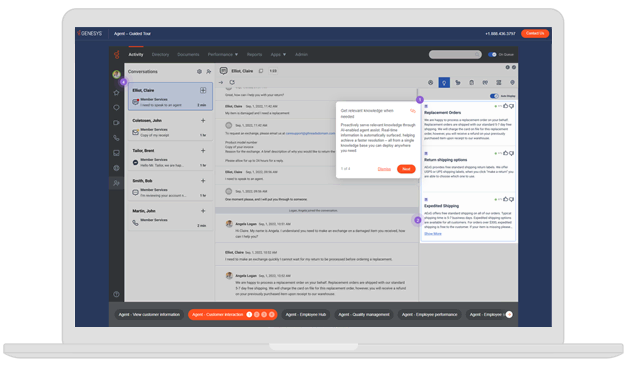
Customers expect flexibility when interacting with support teams. RTT calls extend digital accessibility by integrating seamlessly with voice routing and agent desktops. Enterprises use RTT to unify communication methods, retain context and ensure agents can respond effectively across multiple conversation modes.
Modernizing legacy telephony with advanced accessibility features
Older phone systems often lack built-in support for accessible communication. RTT call capabilities can be added within modern cloud contact center platforms to expand communication options. Enterprises apply these enhancements to modernize their infrastructure and deliver a more inclusive customer experience.