Your Genesys Blog Subscription has been confirmed!
Please add genesys@email.genesys.com to your safe sender list to ensure you receive the weekly blog notifications.
Subscribe to our free newsletter and get blog updates in your inbox
Don't Show This Again.
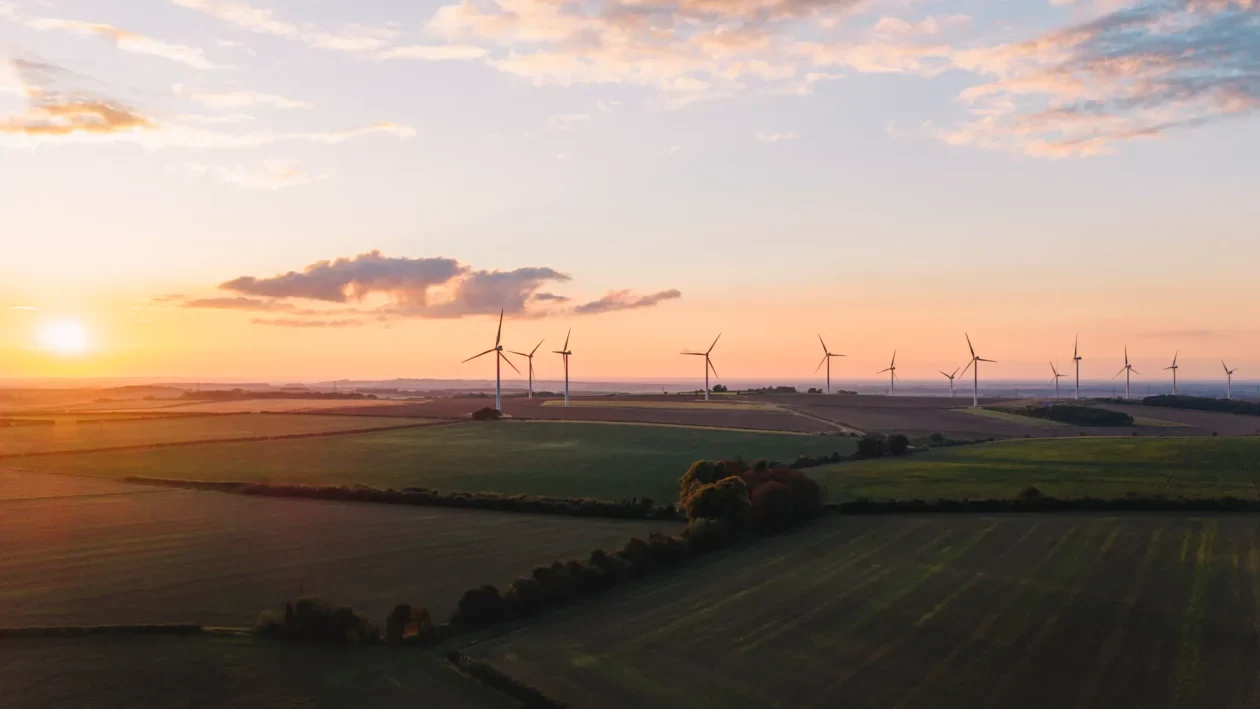
For many organizations, sustainability and customer experience (CX) are managed as separate priorities. The finalists in the 2026 Genesys Orchestrators Innovation Awards’ Sustainability Impact category demonstrate the benefits of having the two strategically aligned.
Rather than treating sustainability solely as a standalone initiative, these organizations have embedded it into journey design, experience operations and employee support — reducing their environmental impact while improving customer experiences, employee engagement and business performance.
This year’s finalists are:
They operate in industries ranging from insurance and telecommunications to travel, energy and business services. Yet despite their varied business models and sustainability goals, several common themes emerged across their nominations.
For customer experience leaders looking to advance both experience and environmental objectives, these finalists offer a useful blueprint.
One common theme across the finalists was the recognition that sustainability and efficiency are not competing priorities. In many cases, the same operational improvements that reduced costs and increased agility also lowered environmental impact.
Several finalists modernized legacy environments by moving from energy-intensive, on-premises infrastructure to cloud-based operating models. This reduced reliance on physical hardware, data center resources and maintenance-intensive systems while enabling greater scalability, resilience and innovation. Others consolidated technology environments, eliminated redundant systems and streamlined operations to reduce resource consumption across their organizations.
These efforts generated measurable benefits beyond sustainability. Finalists gained greater flexibility, improved operational performance and reduced technology complexity while lowering their environmental footprint. This demonstrates that modernizing infrastructure and operations can create value for the business, for customers and employees, and for the environment simultaneously.
A related theme across the finalists was the recognition that sustainability can be more than an infrastructure modernization project. It can also be an experience design opportunity.
Many finalists reframed their experience strategies around a simple idea: The most sustainable interactions are often the ones that require the least effort, the fewest steps and the fastest resolution.
Rather than focusing solely on emissions reductions through facilities or technology, these organizations examined how customer journeys themselves could contribute to sustainability goals. They expanded self-service options, increased digital engagement, reduced unnecessary interactions and designed journeys that resolved issues more efficiently the first time.
One common theme was that every unnecessary interaction creates multiple forms of waste. It consumes customer time, employee effort, organizational resources and energy. By reducing friction throughout the journey, these finalists delivered a dual benefit: customers enjoyed lower-effort experiences while organizations reduced the resources required to serve them.
Several finalists highlighted a connection that is often overlooked: Sustainability efforts can play an important role in improving the employee experience.
Cloud-based operations enabled hybrid and remote work models. This helps to lower commuting-related emissions while improving scheduling flexibility for employees. At the same time, modern platforms reduce the burden of managing legacy technology while improving employee productivity and engagement.
Employees gain access to more modern tools, more adaptable ways of working and more opportunities for innovation, while organizations can reduce their reliance on on-premises infrastructure.
Perhaps the most distinctive theme among the finalists was their willingness to look beyond their own operations.
Several organizations recognized that improving sustainability within their businesses was only part of the opportunity to increase their impact. They also focused on helping customers, clients and communities make more sustainable choices.
Some finalists now provide customers with access to programs that help them reduce their energy consumption. Others help customers make more informed decisions through personalized support. And some even provide business customers with guidance on how to create or improve their own sustainability programs.
This year’s Sustainability Impact finalists are setting a new standard for how organizations think about sustainability as it relates to customer and employee experience.
Their industries and sustainability goals may differ, but their approaches reveal several shared lessons:
These finalists demonstrate that some of the same investments that simplify journeys, improve experiences and reduce operational complexity can also lower emissions, decrease resource consumption and support long-term environmental goals.
Winners will be announced on September 1 at Xperience 2026. Learn more about the awards.
 Ginger Conlon
Ginger Conlon is an award-winning content and customer marketing executive who transforms complex technology into strategic storytelling. As director of customer stories at Genesys, she partners across the organization to...
Subscribe to our free newsletter and get blog updates in your inbox.