Your Genesys Blog Subscription has been confirmed!
Please add genesys@email.genesys.com to your safe sender list to ensure you receive the weekly blog notifications.
Subscribe to our free newsletter and get blog updates in your inbox
Don't Show This Again.

We’ve spent a lot of time thinking about how AI will change the way businesses serve customers. Now, a major shift is happening on the other side of that relationship.
Personal AI is emerging to represent customers, acting on their behalf to research, negotiate, transact and get things done.
At Genesys, we’ve been preparing for this shift and exploring how personal AI agents will engage with businesses through Genesys Cloud. That work is now coming together through Personal Agent Protocol, an open standard we’re developing alongside Sierra, Meta and other industry partners to define how personal agents interact with businesses.
An open approach is essential. Personal AI needs a common foundation that works across businesses, platforms and AI ecosystems.
One implication in particular stands out. Personal AI could change the economics of customer loyalty.
Think about how much friction influences customer behavior today. Comparing every option takes time, negotiating is hard work and switching providers can be a headache. But personal AI can strip away much of that effort. An AI agent won’t stay with a brand just because changing providers feels like too much work.
That means businesses may have to earn loyalty more directly, through the experience they deliver and the value they create.
Here’s where it gets complicated. Most customer experiences, identity systems and digital interfaces assume there’s a person on the other side.
Personal AI breaks that assumption. When an AI agent shows up on a customer’s behalf, a business needs to know who it represents, what the customer is trying to accomplish and what the agent has permission to do.
That trust can’t be re-established from scratch every time an agent encounters a new business. Technical capability doesn’t equal authority. We need common standards for identity, permissions and secure interaction across businesses and platforms. That’s the foundation we’re working with our industry partners to establish through Personal Agent Protocol.
Establishing trust between agents is one challenge. Making the experience work is another. The complexity of coordinating everything around them shouldn’t get pushed back onto the customer.
Imagine your flight is canceled. Your personal AI connects with the airline, understands your preferences and finds the best alternative. Something unusual comes up, so an AI-assisted employee steps in. You only get pulled back in when there’s a decision to be made.
Personal AI to enterprise AI. AI to employee. Employee to customer.
You shouldn’t have to think about those handoffs, repeat yourself or restart the process. The complexity should disappear into the experience.
That’s orchestration.
And the winners won’t just be the companies with the most AI agents. They’ll be the ones that make all those agents, people and systems feel like one experience.
Genesys Cloud already orchestrates more than 33 billion voice, digital and AI-driven conversations annually for more than 7,500 organizations around the world. That gives us a unique perspective on what happens when new participants enter the customer journey.
Personal AI expands the model. Instead of AI operating only inside the enterprise, businesses need to be ready for AI working on behalf of their customers, too.
Every major technology shift changes how businesses operate. Cloud changed how IT operated. Agentic AI is changing how the enterprise operates, with people and AI increasingly working as one hybrid workforce. Personal AI adds another dimension as that workforce increasingly may interact with AI acting for the customer.
Our open architecture and work with standards like A2A and MCP are already helping AI agents work across platforms and connect with the enterprise systems and tools they need to get things done.
But more accountability must come with more autonomy. Businesses still need to decide what an agent can do, where the guardrails are and when a human needs to step in. I said at our Xperience user conference last month that governance isn’t a brake on autonomy. It’s the license to scale it. Personal AI raises the stakes even further. Moving faster only helps if you can still trust what happens next.
For Genesys, that’s a natural evolution of the experience orchestration strategy we’ve been building for years. The operating model is changing, the number of participants is growing and the line between human and AI interactions is starting to blur. Orchestration is what makes all that complexity manageable and turns it into a coherent experience for the customer.
I’ve been in technology long enough to know how easy it is to get caught up in the technology itself. With personal AI, that would be a mistake.
The agent isn’t the experience. What it helps the customer accomplish is.
That’s why I’m encouraged by Personal Agent Protocol. We have a better chance of getting this right if we build the rules of the road together rather than creating walled gardens for AI.
Standards will evolve. Agents will get more capable. New use cases will emerge.
Through all of that, I think there’s a simple test for whether we’re getting this right. If all this intelligence and autonomy doesn’t make things easier for the customer, we’ve missed the point.
I’m excited to see what we build together.
 Tony Bates
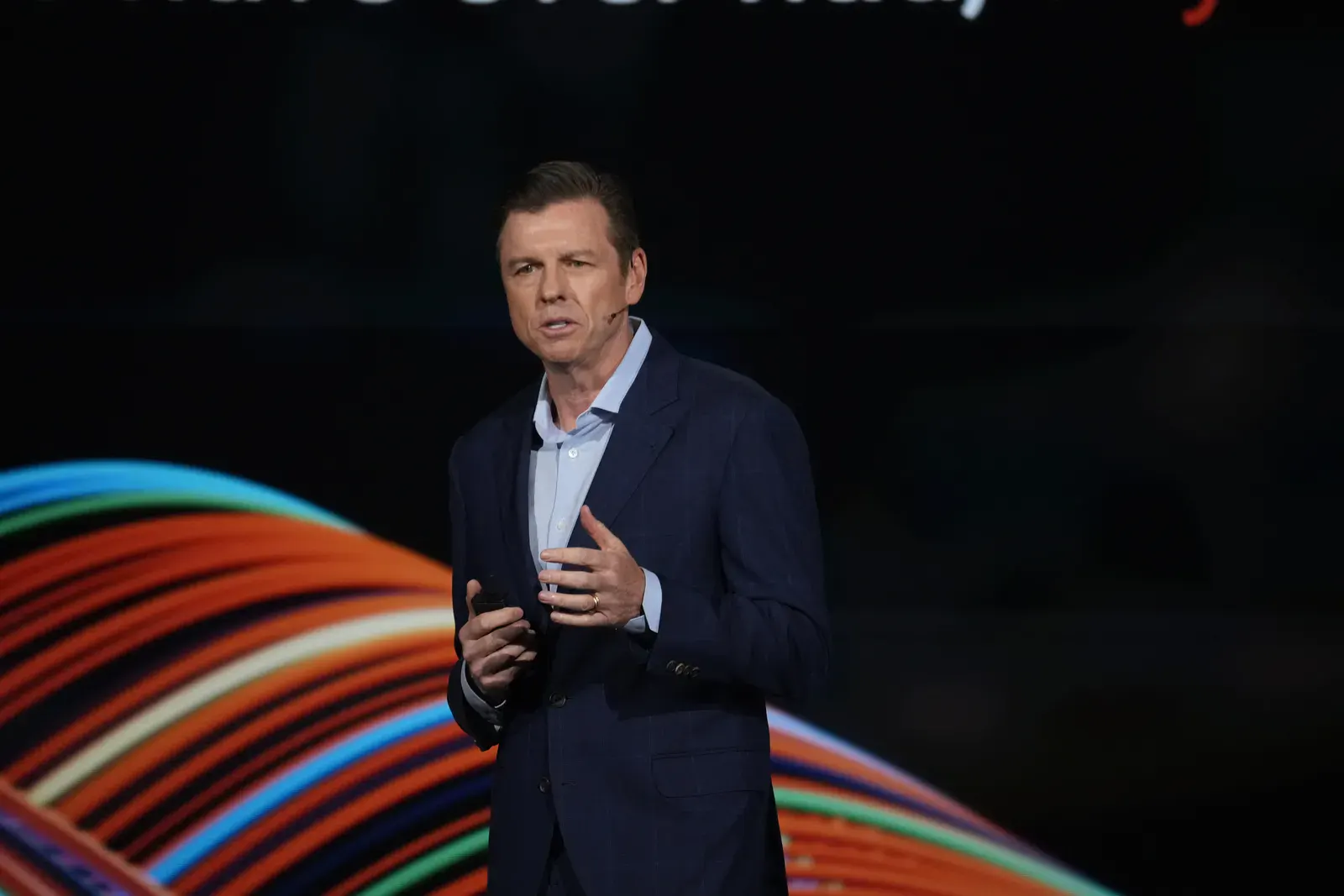
Tony Bates is the Chairman and Chief Executive Officer of Genesys. He leads the company’s strategy, direction and operations in more than 100 countries and oversees a global team of...
Subscribe to our free newsletter and get blog updates in your inbox.