Real-time adherence (RTA) is a call center performance metric that measures how closely agents follow their scheduled activities in real time. It compares planned schedules to actual behavior — such as taking calls, breaks or after-call work — to ensure operational efficiency. In contact centers, RTA is a key component of call center real-time management, helping leaders maintain service levels and productivity throughout the day.
“With AI, businesses can analyze historical and real-time data-driven insights to improve operational efficiency. For example, predictive analytics helps forecast peak interaction times, allowing businesses to adjust staffing levels accordingly and avoid unnecessary overtime.
By analyzing KPIs, such as average handling time, customer satisfaction scores and adherence, managers can identify areas for improvement. Then they can implement strategies that boost productivity and reduce costs.”
Natalia Abad
Senior Product Marketing Manager, Genesys
Real-time adherence use cases for enterprises
The most common enterprise-level use cases for real-time adherence are:
- Monitoring schedule compliance in real time
- Enhancing workforce optimization
- Improving agent accountability and engagement
- Strengthening customer experience through responsiveness
- Leveraging AI for predictive adherence management
1. Monitoring schedule compliance in real time
Enterprises use real-time adherence tools to monitor whether agents are where they’re supposed to be — taking calls, handling chats or on break. When deviations occur, supervisors can step in immediately to address issues or reallocate resources. This proactive approach ensures staffing accuracy and prevents performance drops during peak hours.
2. Enhancing workforce optimization
In large contact centers, even small adherence issues can ripple into longer customer wait times or missed SLAs. With adherence call center tracking, leaders can quickly detect when agents are out of alignment and make schedule adjustments on the fly. By integrating RTA with workforce management tools, enterprises maintain the balance between agent efficiency and customer satisfaction.
3. Improving agent accountability and engagement
Real-time adherence systems give agents visibility into their own performance. Dashboards show whether they’re in or out of adherence, allowing them to self-correct before intervention is needed. This transparency builds trust, accountability and motivation — empowering employees to take ownership of their time and productivity.
4. Strengthening customer experience through responsiveness
When adherence drops, customer experience suffers. By combining real-time adherence with call center real-time management, enterprises can quickly adapt to demand surges, adjust schedules or reassign tasks. These instant actions minimize customer wait times and ensure a consistent experience across every channel.
5. Leveraging AI for predictive adherence management
Modern platforms use AI to enhance real-time adherence by predicting when schedule deviations are likely to occur. For example, if an agent’s handle time trends upward or queues start backing up, AI can recommend proactive adjustments — such as reassigning tasks or extending shifts — to prevent service disruptions.
Optimize real-time adherence with Genesys Cloud
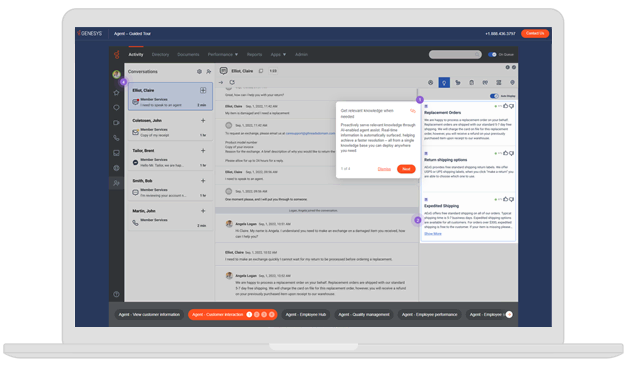
Improve efficiency, accountability and customer satisfaction with real-time adherence built into the Genesys Cloud™ platform. The AI-powered platform gives supervisors and agents the live visibility they need to stay aligned, meet service goals and deliver exceptional customer experiences.
Discover how Genesys Cloud transforms real-time adherence into smarter workforce management.